
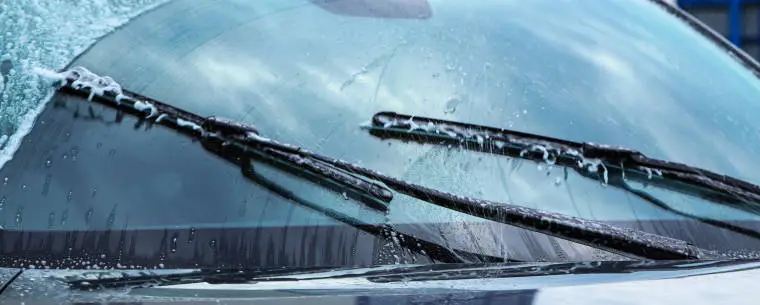
First ensure the road is clear, as visibility will be reduced for a few seconds.
The washer control will usually be on the indicator stalk and operated by pulling towards you. Hold it there for a couple of seconds as screen wash squirts onto your windscreen. The wipers will also operate until the stalk has been released.
Once released, the wipers my perform a couple of additional intermittent wipes
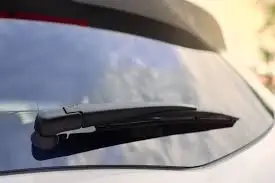
The rear window washer / wiper control is usually located at the end of the wiper and washer switch stalk on the steering wheel. To operate the rear wiper, turn the switch to the desired position.
To wash the rear screen, you push the stalk away from you which will squirt washer liquid and operate the wiper until released.

The headlight switch is normally on a steering wheel stalk which can be twisted to the required position

The rear window de-mister is normally controlled by a button in the centre console.
It is simply on or off so you would just switch it to the 'On' position when needed.
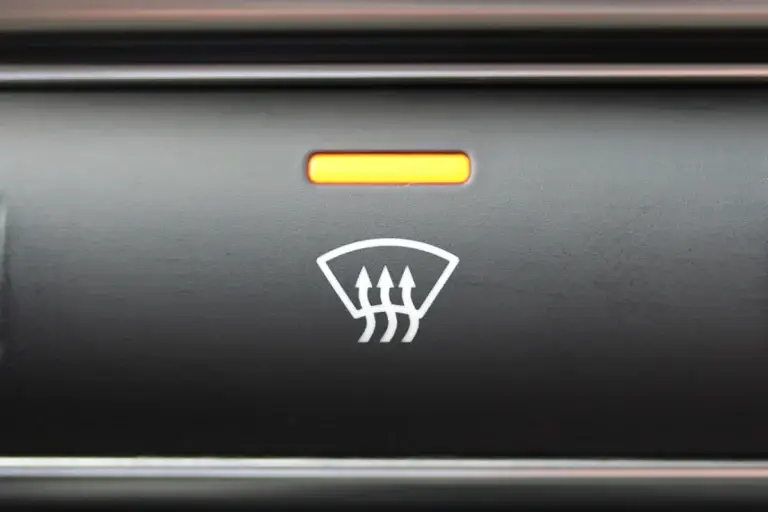
The front winder de-mister control is normally a button located in the centre console and is simply on or off.
Set the button to the 'On' position and this will send warm air up from the bottom of the windscreen

The horn is usually in the centre of the steering wheel and is sounded by pushing on it.
Note: The horn should only be used to warn others of imminent danger
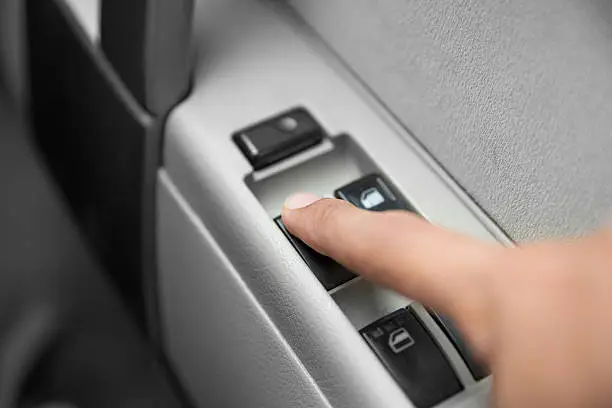
Window controls will be either in the door panel or the centre console.
Pressing the button down or up will operate the window.
Many cars will have an 'auto' setting which will lower or raise the window completely after you've pressed the button for a short time allowing you to release the button while the window continues its operation
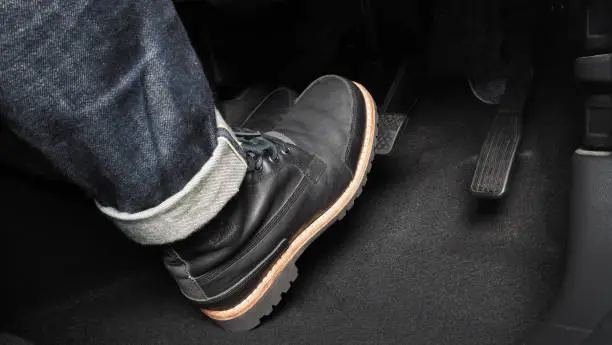
The brakes should be tested before you pull away.
They should not feel soft or spongy and the car shouldn't pull in either direction when the brake is applied.
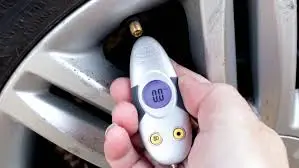
Most cars have the recommended pressure guide located in the car manual.
Ideally the tyres should be cold when putting air in and always use an accurate, reliable pressure gauge
Don't forget to check the spare tyre and remember to refit valve caps when done.

Most head restraints will have a 'lock' at the bottom of one of its arms where it goes into the top of seat.
Pushing in the button on this will allow the arms to be adjusted up or down to get the restraint to the correct position.
The head restraint should be adjusted so the rigid part of the head restraint is at least as high as the eye or top of the ears, and as close to the back of the head as is comfortable.
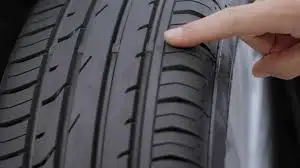
Tyres should be checked regularly for tread depth, cuts or bulges
Tyres MUST have a minimum of 1.6mm of tread depth across the central three-quarters of the breadth of the tyre, and around the entire outer circumference.

The (ABS) warning light would become illuminated on the instrument panel if there is a fault with the brake system

You may need to turn the ignition on and operate the indicators.
To check these are working, switch on indicators or hazard warning lights, get out and walk around the car.
You may need to turn the ignition on and operate the head lights and tail lights.
To check these are working, switch on your dipped headlights, get out and walk around the car.
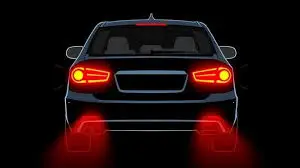
As the brake lights only come on when the brake pedal is pressed, this can only be done when on your own by using reflections in windows or other reflective surface.
Alternatively, ask someone to check for you while you press the pedal
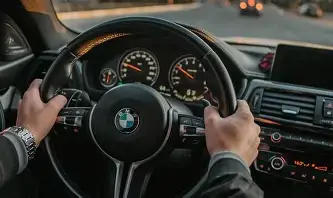
Before starting a journey, 2 simple checks can be made.
1. Gentle pressure on the steering wheel, maintained while the engine is started, should result in a slight but noticeable movement as the system begins to operate.
2. Turning the steering wheel just after moving off will give an immediate indication that the power assistance is functioning.

Your main lights will need to be on order for the fog lights to operate.
The location of the fog light controls can vary from car to car so it's important to know where these are BEFORE you start a journey.
These lights should only be used when visibility is very poor e.g in fog or very heavy rain and should be turned off as soon as visibility improves
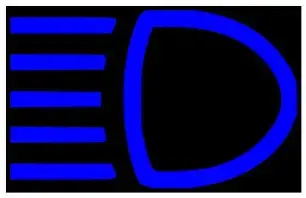
The lights are normally controlled from a stalk next to the steering wheel.
Operate the switch to switch your lights from dipped to main beam (You will have a BLUE light icon displayed on the dash).
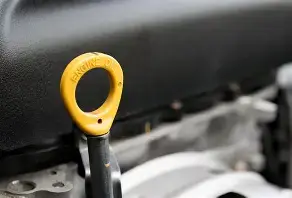
(REFER TO VIDEOS ABOVE FOR YOUR INSTRUCTORS CAR)
- Locate the oil reservoir
- Take out dip stick and wipe it clean
- Put dip stick back in and out to check the level is between the minimum and maximum
(YOU DON'T NEED TO ACTUALLY DO IT)

(REFER TO VIDEOS ABOVE FOR YOUR INSTRUCTORS CAR)
Locate the engine coolant, ensure it is between minimum and maximum lines
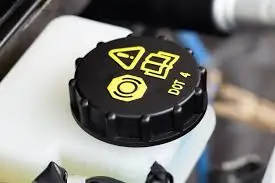
(REFER TO VIDEOS ABOVE FOR YOUR INSTRUCTORS CAR)
Locate the brake fluid, ensure it is between minimum and maximum lines